Rishon
Sabri, 2024 Rishon
Sabri, 2024To contact the author, please e-mail: rishonsabri@gmail.com |
Introduction
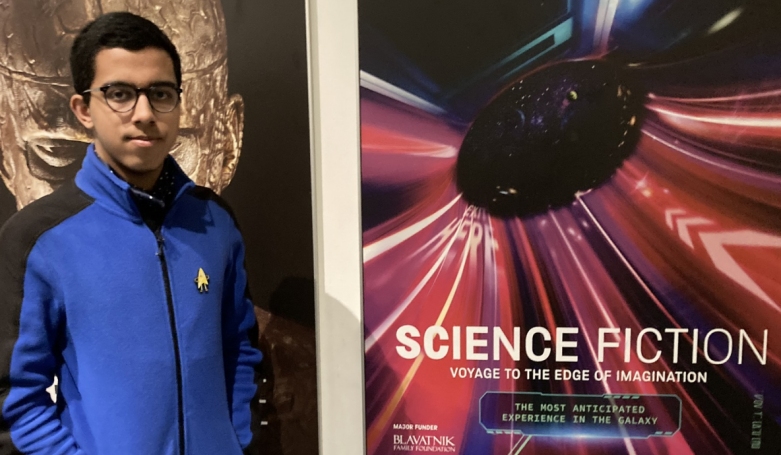 I have had an ardent interest in science since a very
young age. This is largely due to the fact that I was introduced to
many science fiction television shows, such as Star Trek, Stargate and
Battlestar Galactica, which nurtured a passion in the topic. As I grew
older and began to study science as part of my formal education I could
not help but notice the remarkable similarities between the latest
scientific discoveries and advances I read about with what I had seen
in the science fiction franchises I loved so much. This dissertation
hopes to examine any evidence supporting this idea and present ways in
which science fiction can be used to its fullest to catalyse further
scientific advancements in the future. I have had an ardent interest in science since a very
young age. This is largely due to the fact that I was introduced to
many science fiction television shows, such as Star Trek, Stargate and
Battlestar Galactica, which nurtured a passion in the topic. As I grew
older and began to study science as part of my formal education I could
not help but notice the remarkable similarities between the latest
scientific discoveries and advances I read about with what I had seen
in the science fiction franchises I loved so much. This dissertation
hopes to examine any evidence supporting this idea and present ways in
which science fiction can be used to its fullest to catalyse further
scientific advancements in the future.The world today is faced by multiple global threats, ranging from climate change to the growing danger of pandemics. Science will play a critical role in preventing and mitigating these challenges and science fiction can be an invaluable tool that will increase awareness about the importance and uses of science in an accessible and interesting way. This is relevant because if more people learn about the sciences and their uses more people will go into careers for sciences or support sciences through funding or spreading knowledge of new advancements, resulting in more progress in technology and science, which eventually causes an increase in quality of life too. In addition to this, better science fiction and better use of science fiction can be used to potentially inspire more advancement in science. Rishon Sabri Cambridge, 2024.
|
||