Rishon
Sabri, 2024 Rishon
Sabri, 2024To contact the author, please e-mail: rishonsabri@gmail.com |
Discussion
 From the case studies above, we can clearly
tell that science fiction has had a massive impact on scientific
progress, from recruiting astronauts to NASA to creating real world
tricorders. Using the information in the case studies, we can
categorise the impacts of science fiction in a number of different main
ways: raising awareness of the importance of science, publicising new
technologies and research that could help the world, inspiring others
to careers in the sciences, providing inspiration and goals for
scientists and researchers, and even providing the template or
conceptual principles for the creation of new technologies. These are
all described below. From the case studies above, we can clearly
tell that science fiction has had a massive impact on scientific
progress, from recruiting astronauts to NASA to creating real world
tricorders. Using the information in the case studies, we can
categorise the impacts of science fiction in a number of different main
ways: raising awareness of the importance of science, publicising new
technologies and research that could help the world, inspiring others
to careers in the sciences, providing inspiration and goals for
scientists and researchers, and even providing the template or
conceptual principles for the creation of new technologies. These are
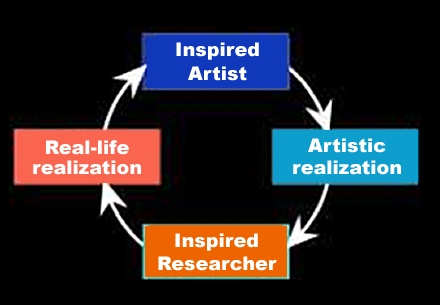
all described below.Science fiction can potentially solve many problems and challenges that science as a whole faces, such as people distrusting science and scientists or not knowing about the potential of science to engineer a brighter, more progressive future for our civilisation. Unlike conference papers, scientific journals and academic articles, science fiction shows are easy to understand, engaging and highly accessible to the general public, with almost everyone knowing about science fiction shows like Star Trek and Star Wars. This allows for the idea of science and technology being the way in which our civilisation advances and improves to be more widespread through the potential benefits of science being shown in science fiction, such as through the technological utopia portrayed in Star Trek. It also helps to prevent science from being forgotten or ignored by the public, acting as a way to publicise possible future advancements and to create interest in and support for current advancements being made. An example of this can be seen with the development of quantum teleportation mentioned in the case study above, where science fiction may not have directly inspired it, but it did help in its advancement by garnering public interest in it and making them understand how the complex science of quantum mechanics can lead to technologies and applications they understand and appreciate. Science fiction has made many people go into scientific careers, by showing them a glimpse of a positive future that they could make possible. Nichelle Nichols is an example of how science fiction can show people from underrepresented groups working in scientific roles in order to inspire people to aspire to those roles, "It put women in non-traditional roles, lieutenant Uhura was the first woman you saw on television who worked in a technical field and also she was African" - Dr Jemison, said in her C-SPAN interview about how Star Trek influenced her decision to join NASA. The most direct way in which science fiction has influenced scientific advancement is where it provided direct inspiration to researchers and engineers for technological and scientific advancements , "Star Trek is influencing the creativity of video engineers" said Neil deGrasse Tyson during a Nerdist interview with Will Wheaton. Some examples of this are the development of medical devices that resemble tricorders and the creation of the cell phone, which today far exceeds the functionality and capability of what the producers of Star Trek could even imagine in the 1960s. This inspiration can work both ways, with artistic interpretations of new technologies in science fiction being influenced by real life technology being developed or pioneered today..
|
||