
| Common Burdock |
|
|
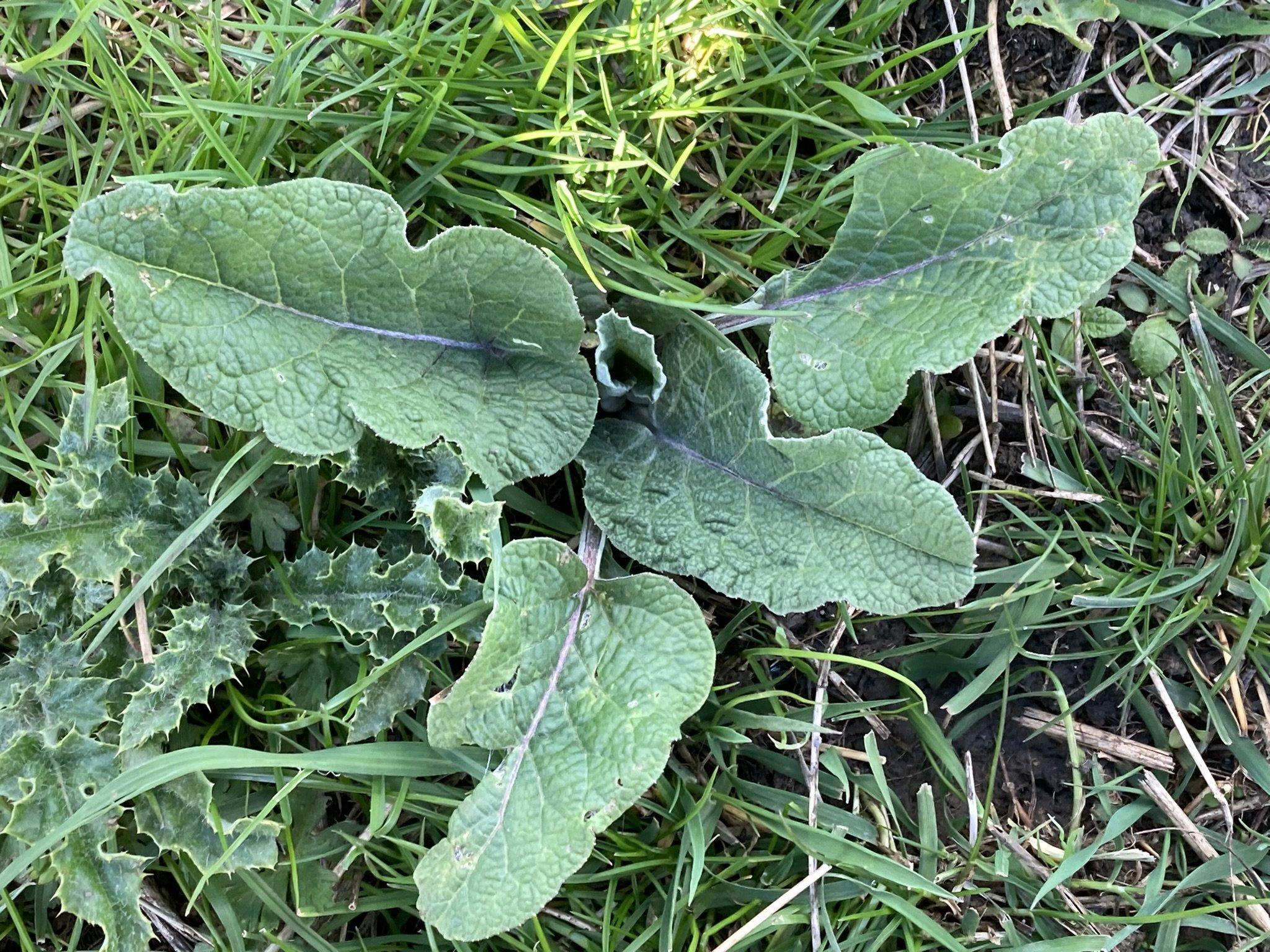 Location: Fen Drayton Nature Reserve, Cambridgeshire |
||
| Common
Burdock (Arctium minus), also known as Lesser
Burdock, is a biennial plant native to Europe and Asia. It
has several practical uses: Culinary uses: The roots of young Common Burdock plants are edible and can be used in various dishes. The roots have a mildly sweet, earthy taste and can be consumed raw, boiled, roasted, or sautéed. They are often used in Asian cuisine, particularly in Japan, where they are called "gobo." The young stems and leaves can also be cooked and eaten. Medicinal uses: Burdock has a long history of use in traditional medicine. The roots are often used as a diuretic, blood purifier, and digestive aid. The seeds and leaves have been used to treat skin conditions like acne, eczema, and psoriasis. It is important to consult a healthcare professional before using Common Burdock for medicinal purposes, as the safety and efficacy of these treatments have not been thoroughly researched. Natural hook-and-loop fastener inspiration: The burrs (seed heads) of the Common Burdock plant famously inspired Swiss inventor George de Mestral to create the hook-and-loop fastener known as Velcro. The burrs easily attach to clothing and animal fur due to their hook-like structure. Dye: The roots of the Common Burdock plant can be used to make a natural dye, producing a range of colors from pale yellow to dark brown, depending on the mordant used. |