
| Kale |
|
|
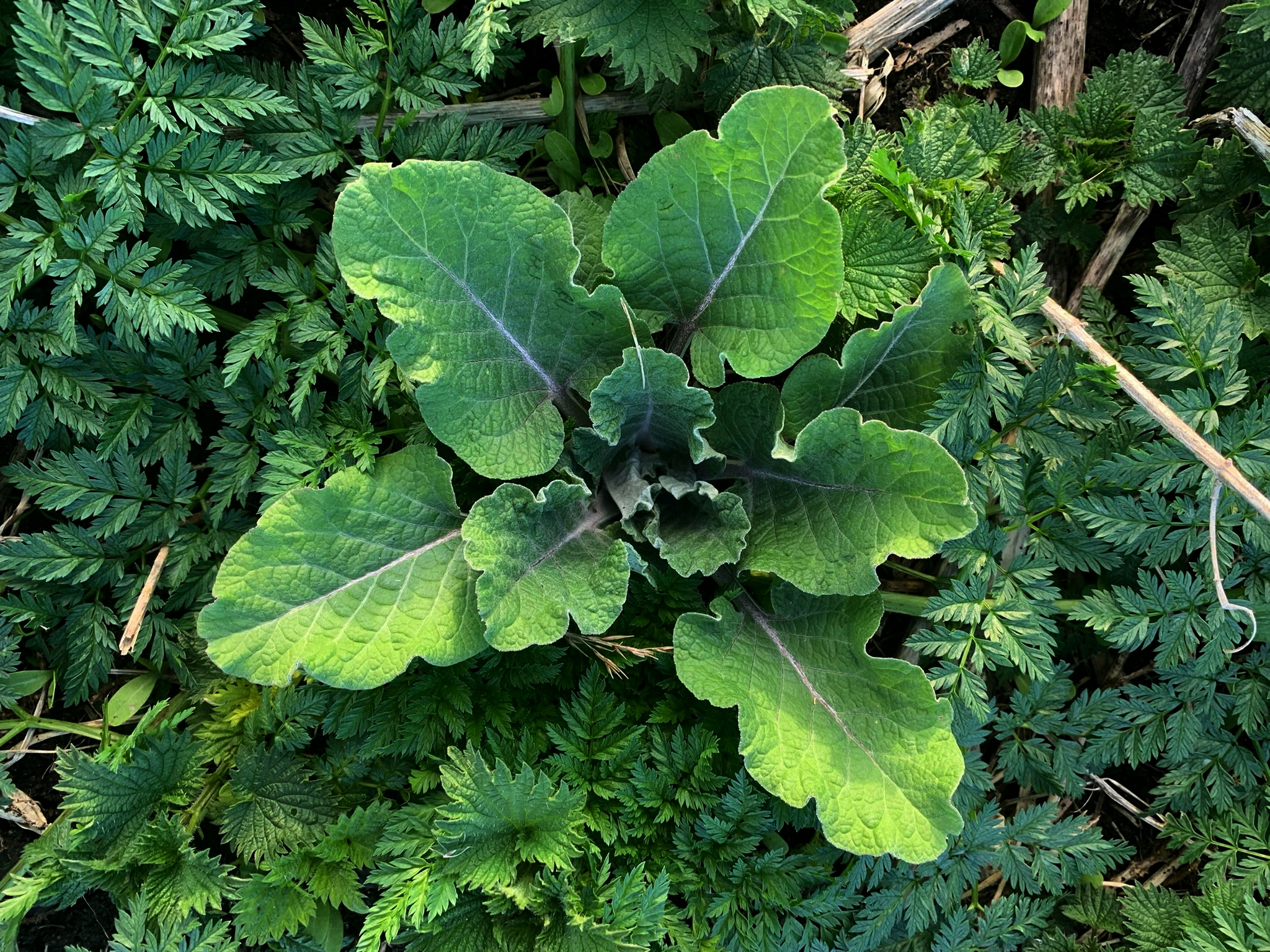 Location: Fen Drayton Nature Reserve, Cambridgeshire |
||
| Kale
(Brassica oleracea var. acephala) is a
leafy green vegetable belonging to the Brassica family,
which also includes cabbage, broccoli, and cauliflower.
Kale is a versatile and nutritious plant with numerous
practical uses: Culinary uses: Kale is a popular ingredient in various dishes, including salads, soups, stews, and stir-fries. It can be eaten raw or cooked, and its slightly bitter taste adds depth and complexity to many recipes. Kale can also be baked into chips, added to smoothies, or used as a wrap in place of tortillas. Nutritional value: Kale is a nutrient-dense vegetable, packed with vitamins A, C, and K, as well as minerals such as calcium, iron, and potassium. It is also a good source of dietary fiber and contains antioxidants and phytonutrients that can support overall health. Medicinal uses: Due to its high nutritional content and antioxidant properties, kale is often considered a "superfood" and is associated with numerous health benefits. These include supporting a healthy immune system, maintaining healthy bones, and possibly reducing the risk of certain types of cancer. However, it is important to consume kale as part of a balanced diet and consult a healthcare professional for personalized dietary advice. Livestock feed: Kale can be used as a feed source for livestock, such as chickens or rabbits. The nutrient-rich leaves can supplement their diets and contribute to overall health. Kale is a relatively easy vegetable to grow in a home garden and can be grown in various climates. It is cold-tolerant and can even produce sweet, tender leaves after a frost. Kale can be grown in the ground or containers and is an excellent addition to an edible garden |