
| Fig Buttercup |
|
|
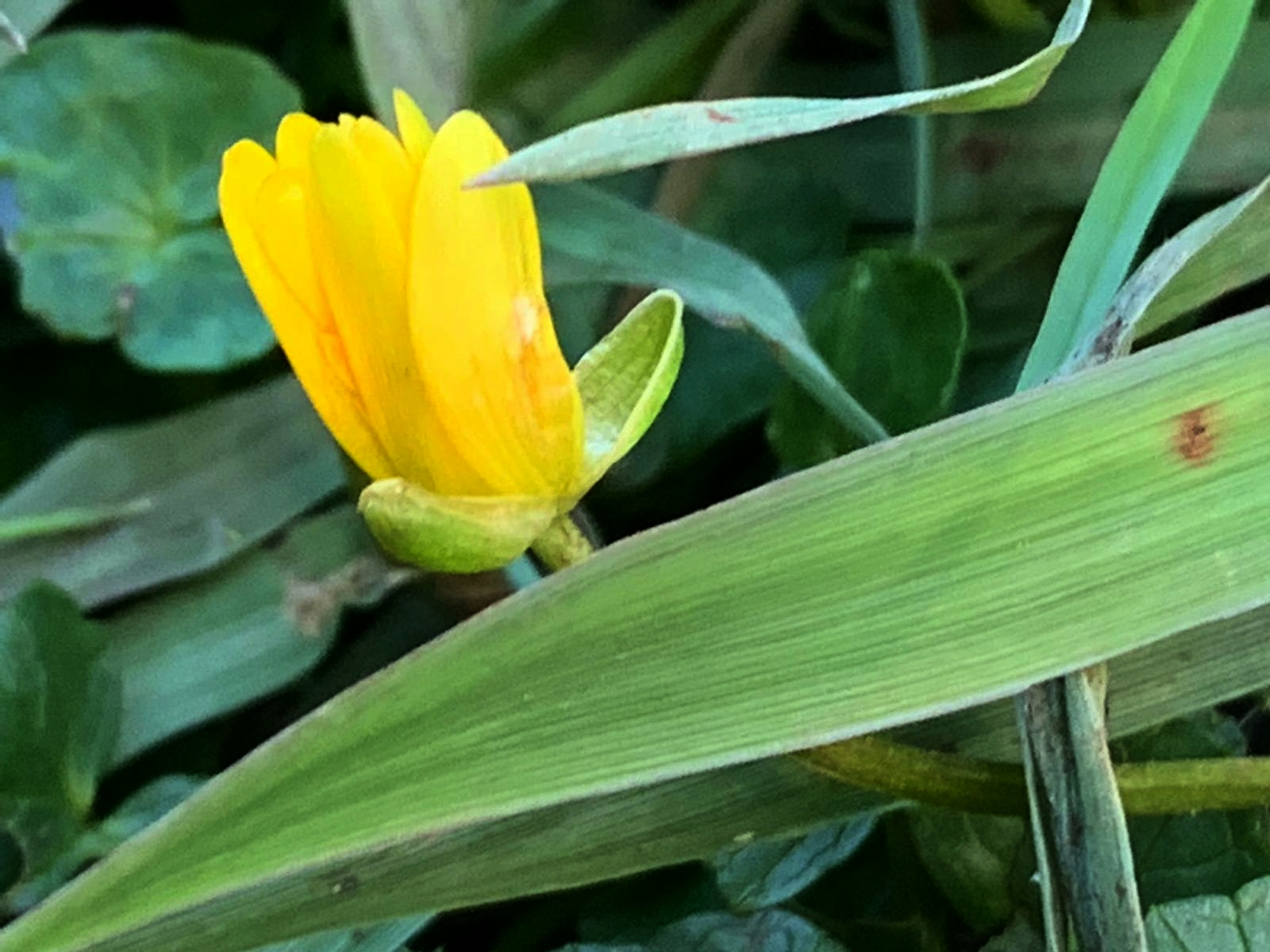 Location: Fen Drayton Nature Reserve, Cambridgeshire |
||
| Ranunculus ficaria,
also known as Fig buttercup or Lesser celandine, is a
perennial herbaceous plant native to Europe and western
Asia. Although it is considered invasive in some regions,
the plant does have a few practical uses: Ornamental gardening: Fig buttercup produces bright yellow flowers in early spring, which can add color and interest to gardens or flower beds. However, it is essential to consider the potential invasiveness of this plant and plant it in contained areas or use native alternatives if possible. Traditional medicine: In traditional medicine, the plant has been used to treat hemorrhoids, skin diseases, and other ailments. It was believed that the tuberous roots, which resemble figs, could be used as a remedy for hemorrhoids, giving the plant its common name. However, it is important to note that the plant contains toxic compounds called protoanemonin, which can cause irritation when it comes into contact with skin or mucous membranes. Consult a qualified healthcare professional before using Fig buttercup for medicinal purposes. Human consumption: Although some sources suggest that the plant's young leaves can be cooked and eaten, it is generally not recommended due to the potential presence of toxic compounds. Exercise caution and consult with an expert if considering consumption. When handling or working with Ranunculus ficaria, be cautious of its potential toxicity. |