
| Common Dandelion |
|
|
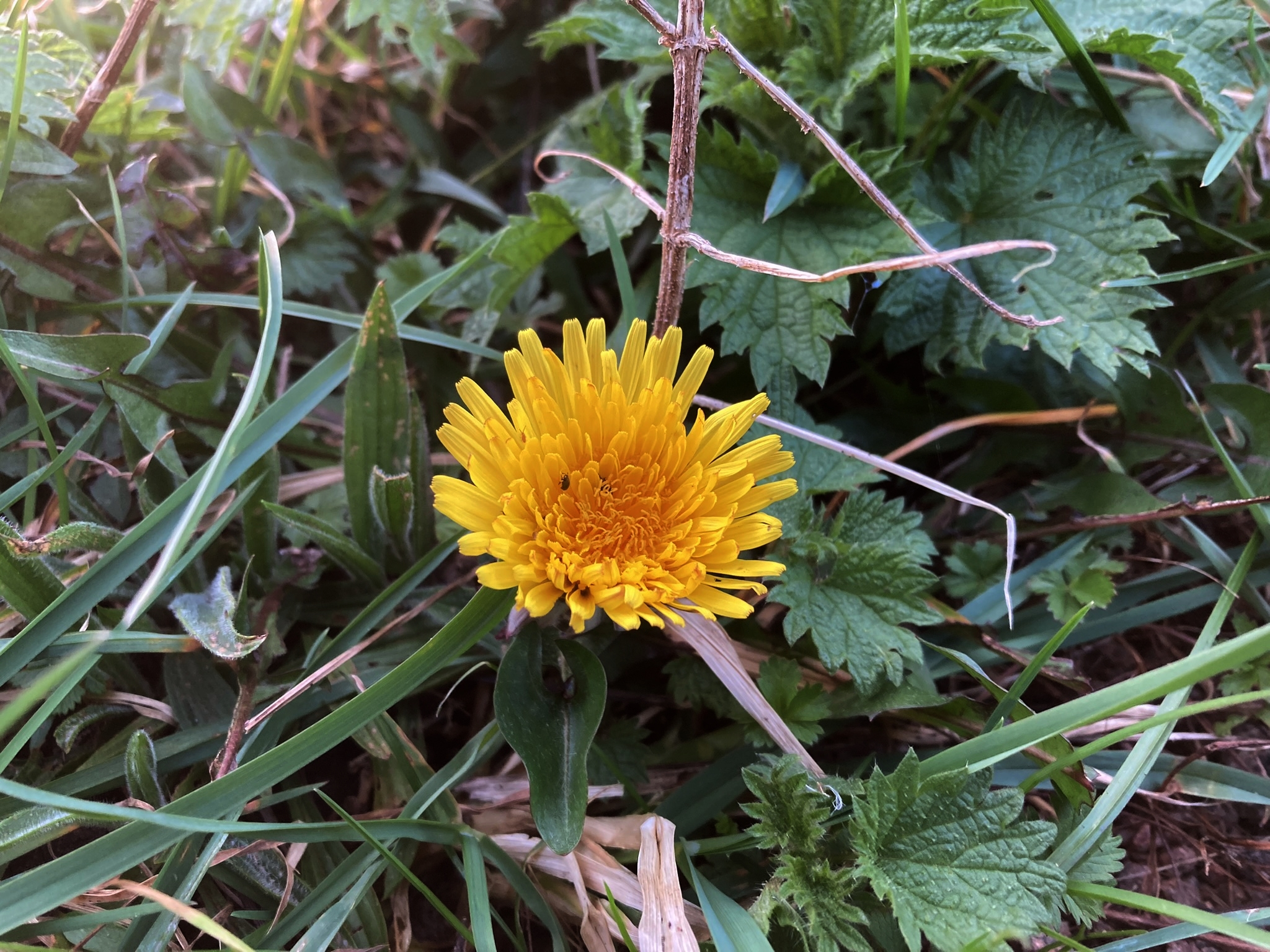 Location: Fen Drayton Nature Reserve, Cambridgeshire |
||
| Common Dandelion (Taraxacum
officinale) is a perennial herbaceous plant found in
many parts of the world. The plant is often regarded as a
weed due to its ability to thrive in various conditions
and reproduce rapidly. However, dandelions have numerous
practical uses, including culinary, medicinal, and
ecological applications. Culinary uses: All parts of the dandelion plant are edible. The young leaves can be eaten raw in salads or cooked like spinach. The flowers can be used to make dandelion wine, syrup, or added to salads. The roots can be roasted, ground, and used as a caffeine-free coffee substitute or added to soups and stews. Medicinal uses: Dandelion has a long history of use in traditional medicine for various ailments. The leaves are known to have diuretic properties, and the plant has been used to support liver health, digestion, and kidney function. Dandelion is also thought to possess anti-inflammatory and antioxidant properties. However, consult a qualified healthcare professional before using dandelion for medicinal purposes, as it may interact with certain medications or cause allergic reactions in some individuals. Nutritional value: Dandelions are rich in vitamins A, C, and K, as well as minerals like calcium, potassium, iron, and manganese. They also contain fiber and various antioxidants, making them a nutritious addition to the diet. Ecological benefits: Dandelions provide an essential early food source for bees and other pollinators, as they often bloom before many other flowering plants. They also play a role in soil aeration and nutrient cycling, as their deep taproots can break up compacted soil and bring nutrients to the surface. Natural dye: The flowers can be used to create a yellow dye for textiles or other materials, while the roots can produce a brown dye. Gardening: Dandelions can be used as a companion plant in the garden, as they attract beneficial insects and can help accumulate nutrients like potassium and calcium in the soil. Cosmetics: Dandelion-infused oil is sometimes used in skincare products for its potential anti-inflammatory and soothing properties. Be aware that some people may be allergic to dandelion pollen or other parts of the plant. |